In short
- Spring (April-May) and Fall (September-October) offer the best weather.
- Summer brings extreme heat and monsoon rain risks.
- Winter roads often become impassable with snow and mud.
In this article
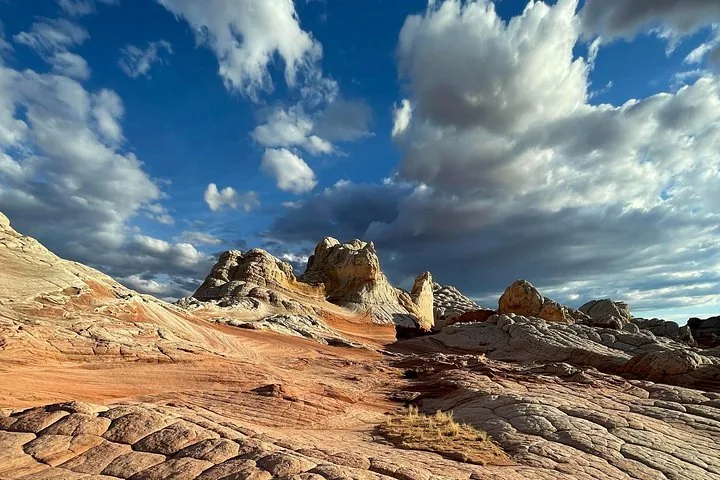
White Pocket sits at an elevation of 5,700 feet in the northern Arizona high desert. While the site remains open year-round, extreme seasonal weather heavily impacts the final 15 miles of deep sand access roads. Choosing the right month ensures safe driving and comfortable hiking temperatures.
Is spring a good time to visit White Pocket?
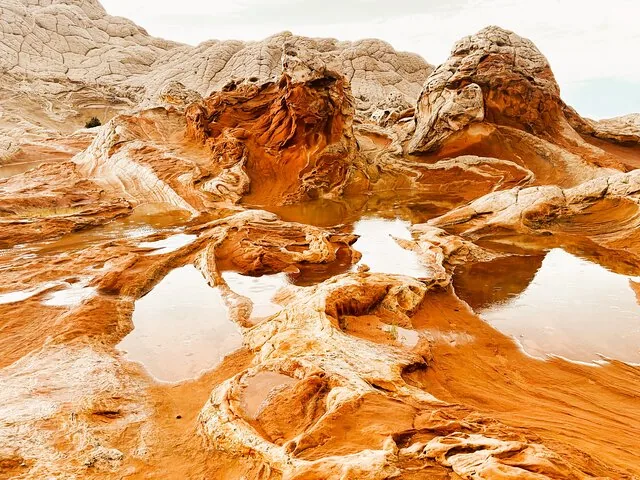
Spring is one of the best times to visit White Pocket.
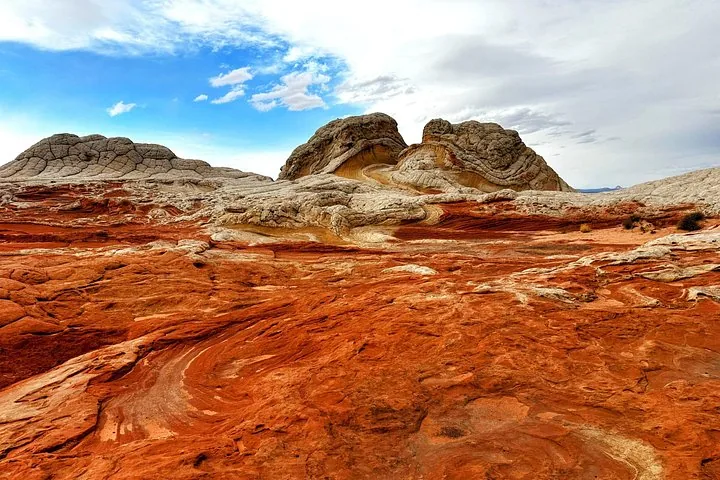
April and May provide moderate temperatures for hiking the 1.5 to 3 miles of unguided slickrock. The deep sand roads are generally dry and passable for high-clearance 4WD vehicles. This season attracts more visitors, so book guided tours early.
How is White Pocket weather in the fall?
Fall offers excellent weather with cooler days and clear skies.
September and October mirror the spring season. You will experience comfortable hiking weather and stable road conditions. The clear skies also create ideal conditions for astrophotography under the Bortle 1 night sky.
Can I visit White Pocket in the summer?
You can visit in summer, but extreme heat and monsoon rains pose high risks.
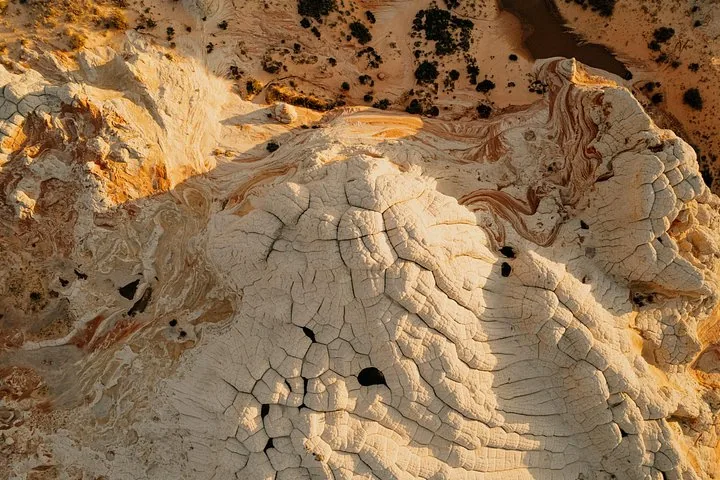
The high desert sun makes the 100-acre sandstone area dangerously hot during July and August. Summer also brings monsoon storms. While the area only gets 4.7 inches of rain annually, sudden downpours can flood the dirt access roads.
If you go in summer, visit at sunrise or sunset to avoid peak heat.
What are the winter road conditions at White Pocket?
Winter weather often makes the dirt and sand roads impassable.
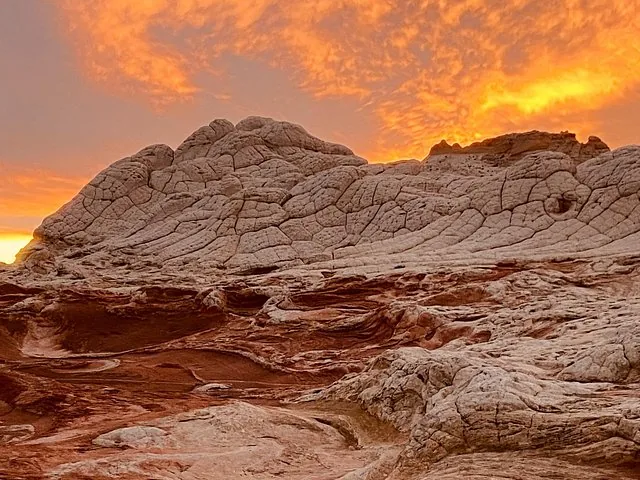
Snow and freezing rain turn the final 15 miles of deep sand and dirt into deep mud. Even capable 4WD vehicles get stuck, and a tow costs over $1,000. Temperatures also drop drastically at night.
If you visit in winter, always check local BLM reports before driving.
What happens at White Pocket after it rains?
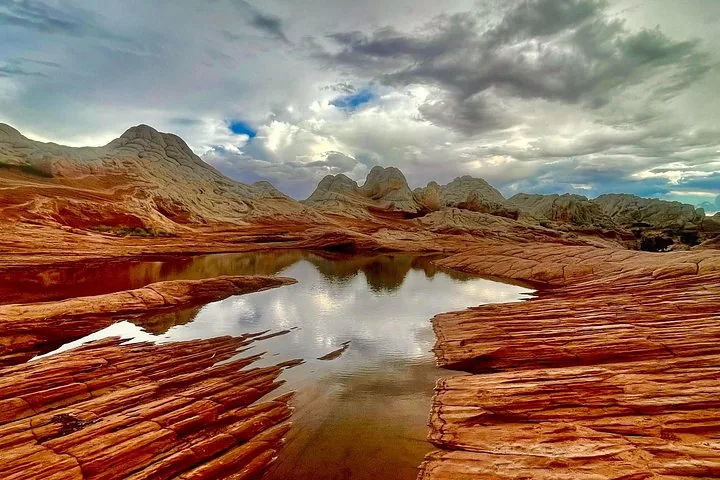
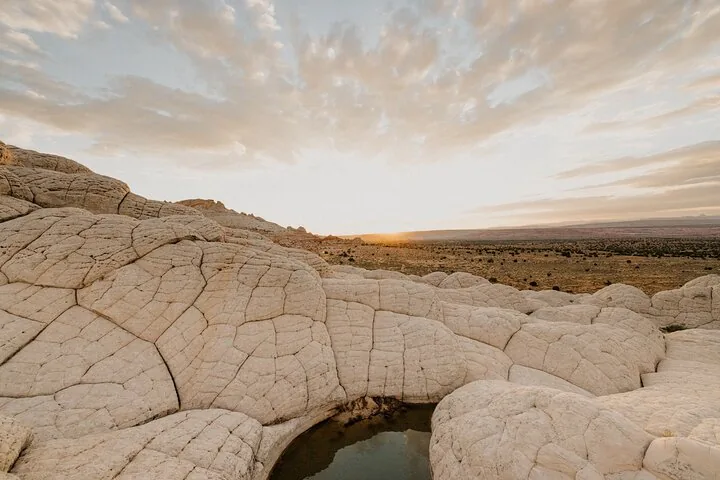
Rain fills the natural sandstone depressions, creating temporary reflective pools.
These water pockets originally gave the area its name. They offer excellent photography opportunities by reflecting the swirling multi-colored rock. Remember to avoid stepping in or touching any water pools to protect rare desert plants and animals.
Which season is best overall?
Spring and fall are the safest and most comfortable seasons.
Plan your trip around April, May, September, or October for the best overall experience. Review the seasonal breakdown below to help you decide.
Questions travellers ask
Do you need a permit for White Pocket?
No. White Pocket has a $0 entry fee and requires no permits. It is managed by the BLM and remains open year-round.
What is the best time of day to photograph White Pocket?
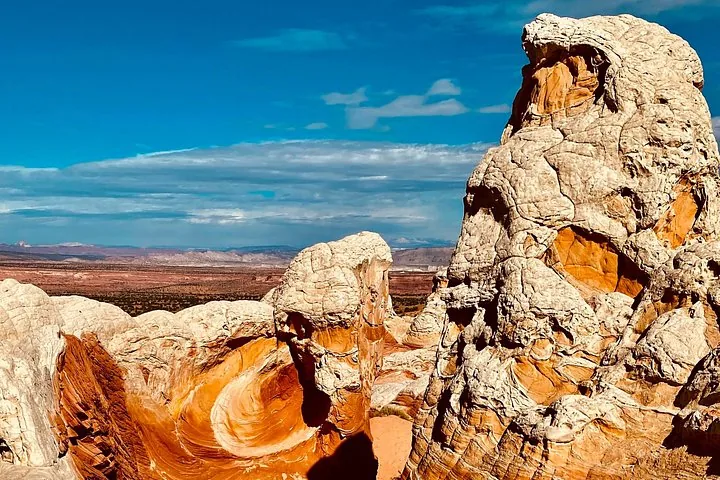
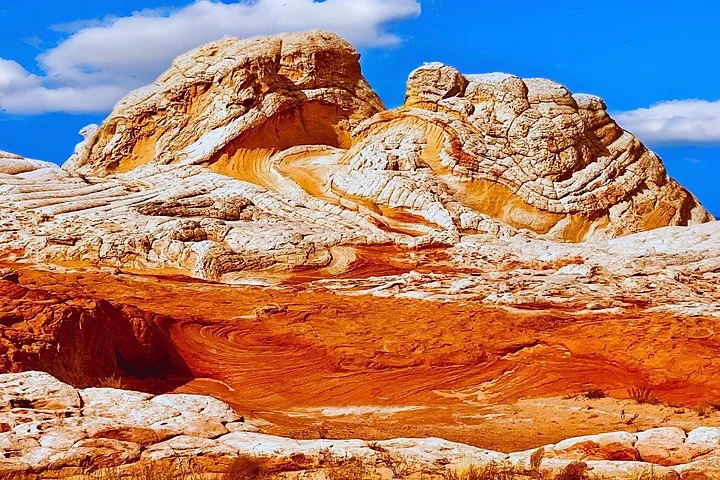
Early morning and late afternoon offer the best light. These times emphasize the deep shadows in the cracked Brain Rock and swirling formations.
How cold does it get at night?
Temperatures drop drastically at night in the high desert. If you plan to stay for astrophotography, pack extra layers and blankets.